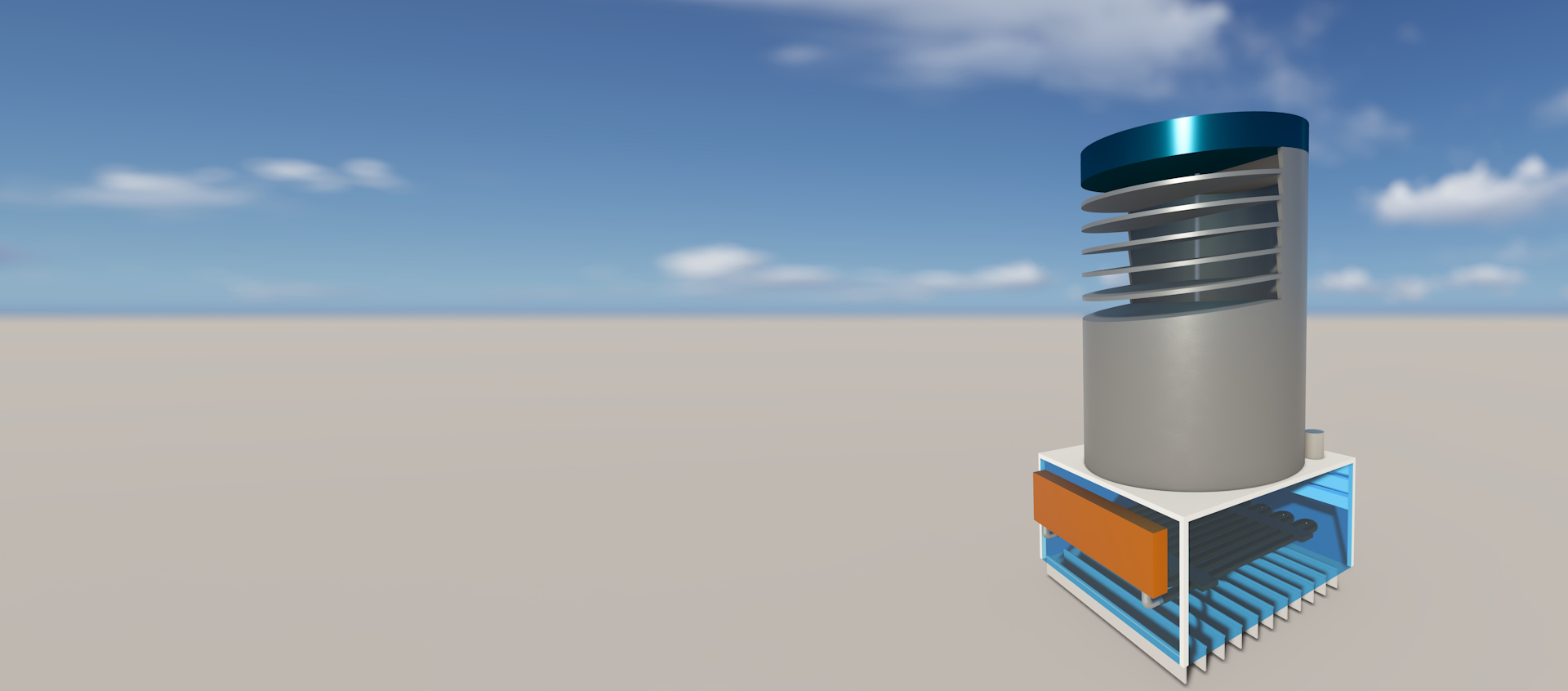
Welcome to the Future of Wind-Driven Ventilation and Power
GreenVent
An AI-driven clean-tech innovation that transforms wind into green electricity and green ventilation—for healthier, more resilient buildings.
Green Electricity
Turning rooftops into wind power plants
Green Ventilation
Employing wind for natural ventilation
Inspired by Heritage
Inspired by the concept of ancient Persian windcatchers
About Us
GreenVent is a Germany-based clean-tech startup led by PhD researchers, bridging heritage and modern-day needs to deliver clean air and renewable energy for the smart buildings of tomorrow.
-
Vision
GreenVent envisions a new solution where buildings breathe naturally and generate their own clean energy through integrated wind and solar power, reviving the heritage of windcatchers for the modern world.
-
Mision
We design and build an intelligent, renewable-integrated natural ventilation system (including heating and cooling) to help modern buildings breathe cleaner, greener, and smarter.
Poor Indoor Air Quality
Root of the Problem- One of the main challenges in modern building design is achieving a balance between energy efficiency and healthy indoor environments.
- While modern buildings are typically designed to minimize energy loss through improved insulation and airtight construction, this often results in limited natural air exchange with the outdoors.

- Most heating, ventilation, and air conditioning (HVAC) systems operate on a closed-loop ventilation mechanism, meaning they recirculate indoor air to maximize energy efficiency.
- When combined with airtight building designs, this approach can lead to the accumulation of indoor pollutants, ultimately resulting in poor indoor air quality (IAQ).
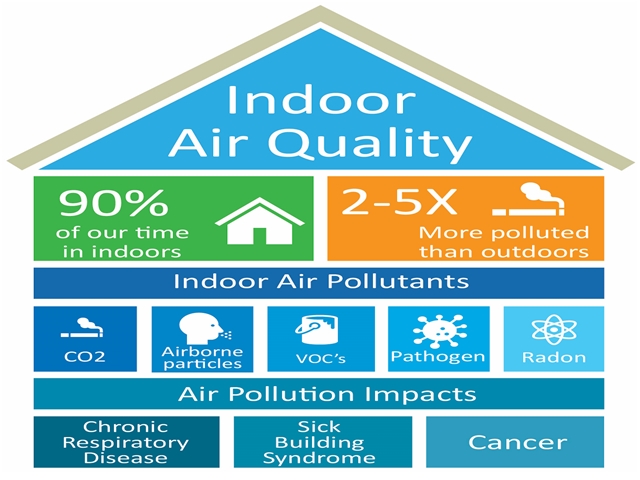
- As a result, indoor air can be up to 5× more polluted than outdoor air, according to the WHO and EPA.

- Unlike traditional buildings—where natural ventilation allowed pollutants to dilute and escape—modern sealed environments tend to trap harmful contaminants inside.
- We spend 90% of our time indoors, so indoor air quality has a profound impact on our health, productivity, and long-term well-being
- Munich schools: Indoor pollution levels were found to be five times higher than outdoor levels
- Switzerland: CO₂ concentrations exceeded recommended limits in 60% of classrooms
- Students are especially vulnerable to air pollution
- Negative impacts on students’ health and learning performance have been documented

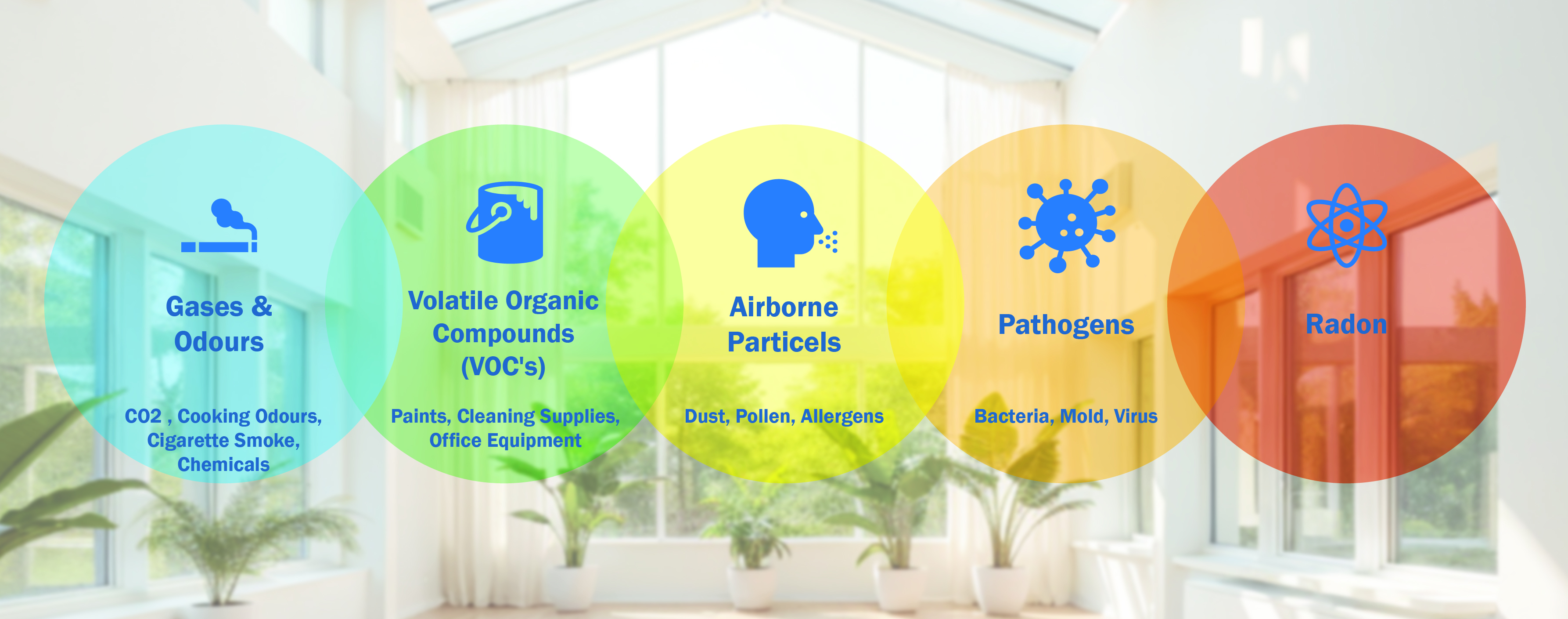
Common indoor pollution sources include airborne particles, volatile organic compounds (VOCs), pathogens, gases, and radon.
Results of poor Indoor Air Quality
Poor ventilation and lack of fresh air exchange, combined with long-term exposure to indoor pollutants, are linked to various health issues, including:
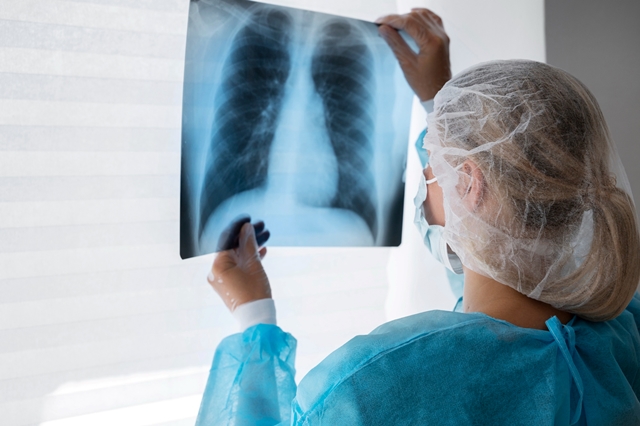
Indoor air pollutants —especially mold, dust, and chemical pollutants—can contribute to chronic respiratory conditions like asthma, bronchitis, and Chronic Obstructive Pulmonary Disease (COPD). Long-term exposure to indoor pollutants has also been linked to increased lung cancer risk, particularly from mold toxins (mycotoxins).

SBS refers to a range of health symptoms that building occupants experience, which are linked to time spent in a particular indoor environment, most often poorly ventilated or inadequately maintained buildings. Unlike specific illnesses, SBS symptoms typically subside after leaving the building.
Common Symptoms of SBS:- Headaches
- Eye, nose, or throat irritation
- Fatigue and difficulty concentrating
- Dizziness and nausea
- Dry or itchy skin
- Increased asthma or allergy attacks
Radon is a radioactive gas and often an overlooked hazard. It occurs naturally and can seep into buildings from the soil and rocks through cracks and openings in the foundation. In airtight, well-insulated buildings with poor ventilation, radon can accumulate to dangerous levels.
- Radon is the second leading cause of lung cancer after smoking.
- Causes ~21,000 deaths/year in the US (EPA) and ~20,000 in the EU (WHO).
- Odorless, colorless, tasteless—detection is difficult.
- Higher risk in airtight buildings with poor ventilation.
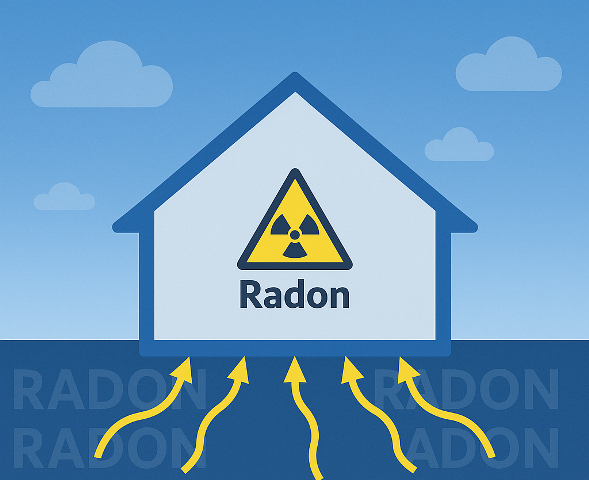
The Invisible, Silent, Radioactive Killer
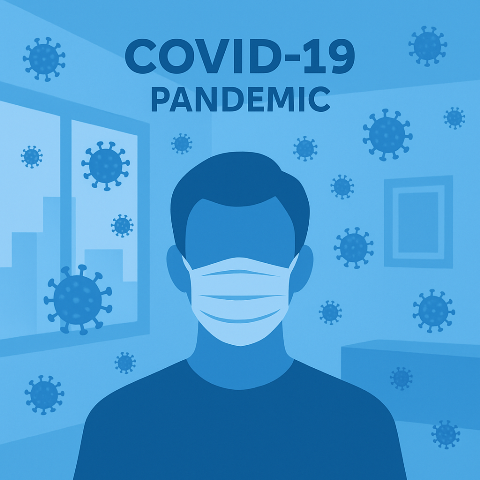
The recent pandemic revealed a significantly higher risk of airborne infection in airtight buildings with closed-loop ventilation systems. In such environments, viruses and other pathogens can accumulate and circulate repeatedly due to the lack of fresh air exchange. Studies during the COVID-19 crisis highlighted the importance of adequate ventilation and fresh air supply in reducing the transmission of airborne diseases. Consequently, there is now a growing emphasis on designing building systems that support both health and energy efficiency through improved ventilation strategies.
Natural Ventilation
From Energy Saving To Well-Being
Energy & Environment
Natural ventilation significantly reduces the need for mechanical cooling and ventilation systems, cutting energy consumption and CO₂ emissions.
Sick Building Syndrome (SBS)
SBS is significantly less common in naturally ventilated buildings due to improved air exchange and lower pollutant levels.
Future Pandemic Resilience
Natural ventilation provides a continuous flow of fresh air and reduces indoor virus concentration, making spaces safer during future pandemics.
Mood & Productivity
Studies show that fresh air boosts mood, focus, and mental performance, making natural ventilation ideal for healthier, more productive spaces.
Windcatcher
Ancient Innovation in Natural Ventilation
For millennia, Persian civilization has been a cradle of innovation in adapting human life to the environment. Technologies such as the windmill, Qanat (subterranean water channels), ice houses, and the iconic windcatcher—or Badgir in Persian—reflect a deep understanding of nature’s forces.
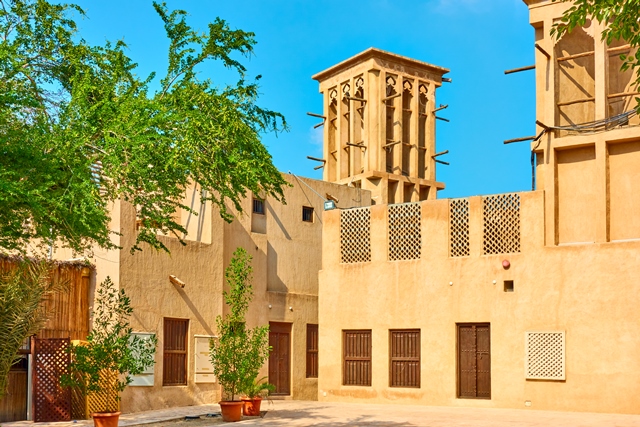
(www.freepik.com)
The windcatcher stands out as a timeless symbol of natural ventilation and passive cooling. Traditionally mounted atop buildings, these architectural towers harnessed high altitude breezes and directed them into interior spaces, providing fresh air and cooling without the need for mechanical systems. An ingenious fusion of form, function, and sustainability.
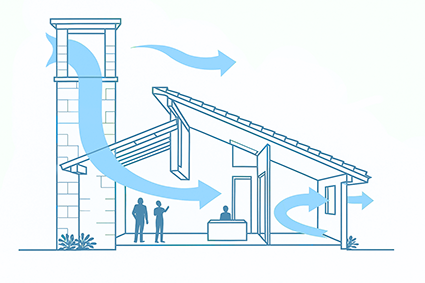
Elegant in design and sustainable by nature, windcatchers offered an environmentally intelligent solution to the hot, arid climates of the Middle East. A prime example is the city of Yazd, Iran, which demonstrates how ancient architecture achieved thermal comfort and ecological balance long before the modern HVAC era. As a UNESCO World Heritage Site, Yazd—known as the “City of Windcatchers”—is home to many windcatchers that are still functional today.
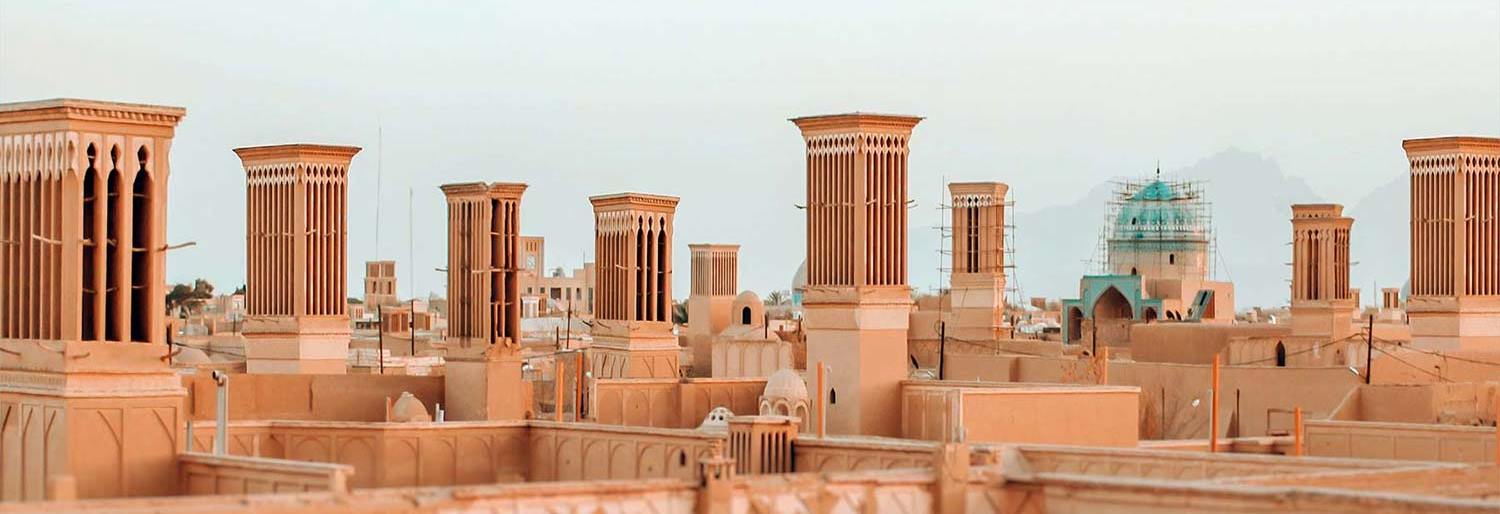
City of Yazd, Iran – the capital of windcatchers and a remarkable example of sustainable harmony. (Photo by Hasan Almasi / Unsplash)
Our Solution
Turning rooftops into Ventilation & Power Hubs
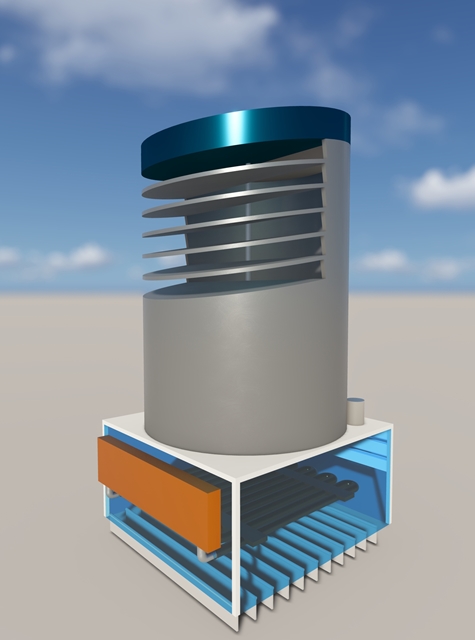
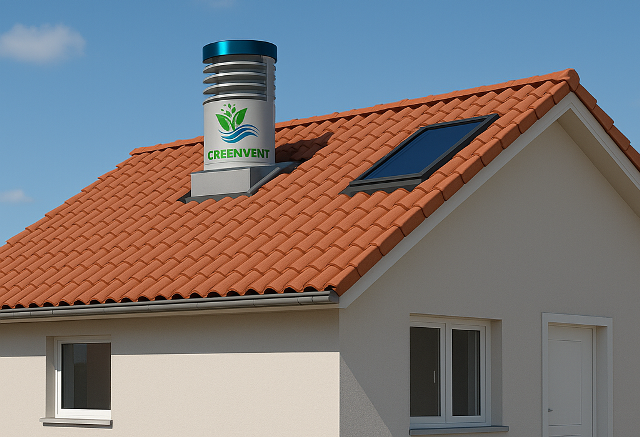
Inspired by the concept of the windcatcher, our solution—GreenVent—captures wind and converts it into green electricity, turning rooftops into power plants. In addition, GreenVent bridges heritage and modernity by delivering natural ventilation through a smart, innovative, compact, and self-sustaining unit. (Patent pending).
Market Analysis & Business Model
Size, Growth, Demand, Potential
- Global HVAC Market Size (2024): € 264 billion
- Projected Global Size (2029): €360 billion
- CAGR (2024–2029): 6.4%
- European Share: €62 billion (23.6%)
Source: HVAC Market Size, Share & Growth Report (2024–2029).
- TAM (Total Addressable Market): €264B
- SAM (Serviceable Available Market): €62B (Europe)
- SOM (Serviceable Obtainable Market): €1B–€4B
- Residential Building Developers and Homeowners (B2C)
- Commercial Building Developers and Property Managers (B2B)
Contact
Location
Helmholtzstraße 15, 99425 Weimar, Germany
Call Us
+49 3643 583947
Email Us
contact@greenvent.tech